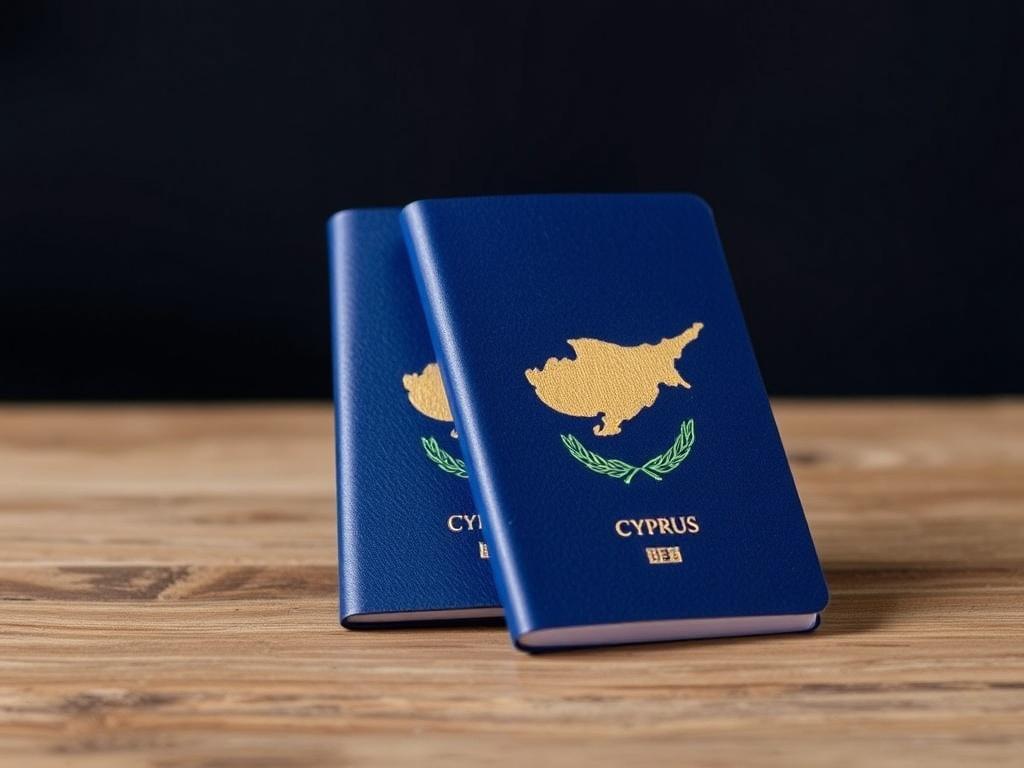
Exploring the nuances of dual citizenship in Cyprus opens a window to understanding a unique set of legal frameworks and obligations. The Cyprus investment citizenship program has attracted international attention, yet maintaining dual citizenship Cyprus involves more than gaining the status itself. The rules surrounding dual nationality, its legal recognition, and how it intersects with travel restrictions dual citizen Cyprus faces are critical factors for anyone considering holding two passports. This article dissects how second passport rules Cyprus apply in practical terms, along with the nuances of renunciation requirements Cyprus, shaping the experience of dual citizens.
Understanding Dual Citizenship in Cyprus
Cyprus recognizes dual citizenship, meaning individuals can legally hold Cypriot nationality alongside another state’s citizenship. This acceptance is somewhat straightforward for Cypriot nationals, yet it demands an awareness of the legal context and administrative expectations. Unlike some countries that demand renunciation of former nationalities upon naturalization, Cyprus allows dual citizenship without mandatory loss of the original passport.
The dual citizenship Cyprus status is significant, particularly for investors accessing the Cyprus investment citizenship route, which grants citizenship through significant investment. Maintaining this dual status can optimize personal and business opportunities, but legal and practical vigilance is needed. Notably, obtaining a second citizenship in Cyprus does not automatically guarantee unrestricted access to all rights, especially when considering global mobility and travel limitations.
Holding dual citizenship in Cyprus offers flexibility but requires understanding legal and administrative responsibilities to manage rights effectively.
Cyprus Investment Citizenship: Gateway to Dual Nationality
The Cyprus investment citizenship program facilitates acquiring Cypriot citizenship by making qualifying investments, usually in real estate or business projects. This program has been a key driver of dual citizenship acquisition in the country, allowing investors to hold dual passports without renouncing their original nationality—provided their home country permits this.
Applicants must meet stringent financial commitments alongside due diligence checks. The program’s criteria have evolved, tightening to prevent misuse and ensure transparency. After fulfilling requirements, successful applicants receive Cypriot nationality, becoming dual citizens by law. However, maintaining citizenship involves more than retaining a passport—it brings ongoing obligations such as tax compliance, reporting, and adherence to Cyprus regulations.
| Requirement | Description |
|---|---|
| Investment Minimum | At least €2 million in real estate or business |
| Residency | No mandatory physical residency requirement post-citizenship grant |
| Application Processing Time | Approximately 6–8 months |
| Background Checks | Thorough vetting for all applicants |
The investment citizenship pathway in Cyprus aligns with a pragmatic acceptance of dual citizenship, marrying opportunity with regulatory caution.
Second Passport Rules Cyprus: Rights and Limitations
Cyprus citizens holding a second passport enjoy broad mobility, enhanced business prospects, and access to the European Union’s privileges, including rights to work and reside across member states. However, the second passport rules Cyprus include conditions and limitations that deserve close attention. Not all countries allow dual citizenship, so travelers must navigate complex international laws to avoid inadvertent infractions.
Cyprus does not demand giving up other citizenships on its side, but other nations may have contrasting standpoints, affecting expatriates and frequent travelers. Additionally, holding two passports can lead to complications related to military service obligations, taxation, and diplomatic protection. These factors influence how a dual citizen plans their movements and legal responsibilities.
Second passports from Cyprus open doors but travel and legal restrictions require careful navigation.
Renunciation Requirements Cyprus: When and Why It Matters
Although dual citizenship is permitted, renunciation requirements Cyprus arise in specific contexts. For instance, if a Cypriot citizen acquires another citizenship from a country that does not tolerate dual nationality, they may be forced to renounce one. Cyprus itself rarely enforces renunciation of foreign citizenship unless the individual voluntarily relinquishes Cypriot nationality.
Renunciation requirements become particularly relevant in cases of criminal penalties, fraud in citizenship acquisition, or voluntary political decisions. Additionally, holders of Cypriot citizenship seeking to renounce must comply with formal procedures, such as notifying authorities and submitting official declarations.
Renouncing Cypriot citizenship can have significant impacts on residency, property ownership, and access to EU benefits, making it a serious decision that requires thorough consultation.
Renunciation of Cypriot citizenship is rare and demands formal procedures, usually prompted by external legal conflicts or personal choice.
Travel Restrictions Dual Citizen Cyprus: Navigating International Boundaries
Although dual citizenship Cyprus offers expanded mobility, travel restrictions can arise due to conflicting regulations between the two countries of nationality. Some states enforce exit or entry controls based on citizenship, potentially complicating transit or repeated border crossings for dual citizens.
For example, possessing a Cypriot and a nationality from a country with stringent exit visa requirements could restrict access despite holding an EU passport. Conversely, entry into certain countries may require surrendering one passport temporarily or traveling separately with each one depending on the visa demands.
Dual citizens commonly face questions at immigration checkpoints where authorities deliberate over which citizenship applies for entry. These practical restrictions emphasize keeping passports valid, understanding bilateral relations between countries, and carrying official documentation explaining dual nationality status.
Traveling as a dual citizen in Cyprus demands awareness of varied entry and exit regulations to circumvent delays or refusals.
Practical Tips for Maintaining Dual Citizenship in Cyprus
Successfully managing dual citizenship involves understanding administrative requirements, legal responsibilities, and the role of diplomatic channels. Regularly renewing passports, staying updated on tax and residency laws, and monitoring potential changes to Cyprus’s second passport rules are vital. Collaborating with legal advisors specializing in international and immigration law can prevent pitfalls in maintaining nationality rights.
A personal anecdote illustrates this complexity: an acquaintance acquired Cypriot citizenship by investment but experienced unexpected tax implications in their original country, requiring nuanced planning and expert advice to manage dual fiscal responsibilities without violating either state’s laws.
- Keep all official documents updated and accessible.
- Monitor changes in laws regarding dual citizenship both in Cyprus and the other country.
- Consult legal specialists for tax and immigration matters.
- Plan travels accounting for possible border control checks.
- Understand the impact of renunciation in unusual circumstances.
Managing dual citizenship requires vigilance and professional guidance to harness its advantages fully.
Cyprus Dual Citizenship in the Broader Legal Context
Cyprus’s acceptance of dual citizenship fits within broader European legal frameworks, promoting freedom of movement and integration. The country’s legal system prioritizes protecting national sovereignty while facilitating global ties through citizenship. This balance is reflected in the second passport rules Cyprus enforces—offering benefits tempered by scrutiny.
Moreover, Cyprus’s status as an EU member influences its citizenship policies. Cypriot passports provide access to Schengen borders and work permits across the EU, which is a significant incentive. Yet, dual citizens must reconcile this with their other nationality’s restrictions, if any exist.
The diplomatic landscape, bilateral treaties, and global political dynamics periodically affect Cyprus’s citizenship stance, emphasizing that this status is not static but evolves with international relations and domestic legislation.
Cyprus bridges national sovereignty and global citizenship through carefully calibrated dual citizenship policies aligned with EU law and international norms.
A Closer Look at Citizenship Revocation and Its Implications
Citizenship revocation is a rare but critical aspect connected to Cyprus dual citizenship. Authorities may retract citizenship if it was obtained fraudulently or through violation of laws, particularly related to the investment citizenship pathway. This process involves legal investigation and can result in loss of rights and passports.
Understanding these consequences is essential for maintaining status appropriately. Violations might include undisclosed criminal records or misrepresentations in the application stages. Moreover, revocation impacts the individual’s legal standing both in Cyprus and internationally, potentially complicating residency and business interests.
Keeping in compliance with Cyprus laws and investing ethically represent safeguards against revocation risks.
Citizenship revocation in Cyprus pertains mostly to legal breaches, emphasizing the need for transparency and compliance throughout the citizenship process.
How Family and Inheritance Laws Affect Dual Citizenship
Dual citizenship Cyprus also interacts with family and inheritance laws in complex ways. Cypriot citizens passing wealth and property through generations must account for cross-border legalities, especially if family members hold other citizenships. Legal disputes can arise from differing laws on succession or property ownership tied to nationality.
For dual citizens, proper estate planning is critical, including understanding tax obligations and inheritable rights in both countries. Additionally, Cyprus’s inheritance laws grant certain protections but may require harmonizing with another jurisdiction’s legal system.
Dual citizenship complicates inheritance matters, necessitating careful legal planning to align rights across countries.
Final Thoughts: Navigating the Dual Citizenship Landscape in Cyprus
Holding dual citizenship Cyprus offers distinct advantages: freedom to live and work within the EU, increased business opportunities, and geopolitical flexibility. Still, such benefits arrive within a framework of rules and responsibilities that cannot be overlooked. Cyprus’s willingness to recognize dual nationality signifies openness, but this openness demands awareness of legal boundaries, travel restrictions dual citizen Cyprus may encounter, and the nuances of citizenship renunciation.
The balance between opportunity and obligation is delicate. Maintaining dual citizenship effectively requires a clear understanding of how the country’s investment citizenship program interfaces with broader nationality laws and international agreements. Each holder of dual citizenship finds themselves navigating a personalized legal path that could impact their life choices substantially.
In this journey, informed decisions, compliance, and professional guidance emerge as vital partners, ensuring that the privilege of holding two citizenships is managed with prudence and purpose.
Mastering dual citizenship in Cyprus means embracing both its potential and its responsibilities with equal measure.
Frequently Asked Questions
- Can I keep my original citizenship when I obtain Cypriot citizenship through investment?
Yes, Cyprus allows dual citizenship, so you do not have to renounce your original citizenship unless your home country requires it. - Are there any travel restrictions for dual citizens holding a Cypriot passport?
Travel may be affected by the laws of your other citizenship, so understanding both countries’ entry and exit regulations is essential. - What are the renunciation requirements in Cyprus if I decide to give up my Cypriot citizenship?
You must notify the authorities and file a formal declaration; renunciation is a voluntary process with legal effects. - Does Cyprus enforce military service on dual citizens?
Cyprus generally requires military service from male citizens, but there are exemptions and deferments, particularly for dual nationals. - Can my Cypriot citizenship be revoked?
Yes, mainly if citizenship was obtained fraudulently or rules were violated during the application process. - Does dual citizenship impact taxation?
Holding dual nationality may subject you to tax obligations in both countries; consulting a tax professional is advisable. - Is residency required to maintain Cypriot citizenship obtained through investment?
No mandatory residency is required post-citizenship acquisition, but staying compliant with Cyprus laws remains necessary.